The Homeowner’s Guide to Energy-Efficient Windows: Savings, Benefits, and Selection
Imagine waking up in winter and feeling a draft sneaking past your old windows. Or watching your summer energy bills climb higher while your air conditioning works overtime. If this sounds familiar, you're not alone.
At Bee Clean Windows, we see these stories unfold every week. Homeowners want more comfort, lower bills, and lasting value—but the world of energy-efficient windows can seem as tangled as a bramble bush. Let's clear the path together.
Why Energy-Efficient Windows Matter
Windows aren't just glass—they're the eyes of your home. But if they're outdated, they're also where energy escapes, like coins lost through a hole in your pocket. According to the U.S. Department of Energy, heat gain and loss through windows are responsible for 25%–30% of residential heating and cooling energy use.
Replacing or upgrading your windows is an investment. The right choice means lower monthly bills, fewer drafts, less outside noise, and even a boost to your home's value. But how do you pick the best option?
The Science Behind Window Insulation 🧊
Energy-efficient windows are like wearing a winter coat compared to a thin t-shirt. The difference? Layers, materials, and smart technology.
- Double or Triple Panes: These aren’t just buzzwords. Two or three layers of glass, separated by insulating gas (often argon or krypton), slow down the transfer of heat.
- Low-E Coatings: Think of this as invisible sunscreen for your windows. Low-emissivity coatings reflect infrared light, keeping heat inside during winter and outside during summer.
- Warm Edge Spacers: They separate the panes and reduce thermal bridging, lowering condensation and boosting insulation.
- Gas Fills: Instead of plain air, inert gases between panes help keep temperatures steady.
Comparing Window Types & Frame Materials
Double-Hung vs. Casement vs. Sliding
- Double-Hung Windows: Classic choice. Both sashes move. Good for ventilation, but look for models with tight seals.
- Casement Windows: Hinged at the side and crank open. Seal tightly when closed—great for energy efficiency.
- Sliding Windows: Simple operation, but can be less airtight if not well-maintained.
Frame Materials—Wood, Vinyl, Aluminum, or Fiberglass?
- Wood: Timeless and insulating, but needs regular upkeep.
- Vinyl: Low maintenance, affordable, and good insulation. Watch for quality differences.
- Aluminum: Strong but can conduct heat—look for models with thermal breaks.
- Fiberglass: Durable, stable, and energy-efficient, but often pricier.
Understanding Energy Ratings
Ever see a blue-and-white label on a new window? That's the NFRC label—your roadmap to efficiency.
- U-Factor: Lower is better. Measures how well a window keeps heat from escaping.
- Solar Heat Gain Coefficient (SHGC): Lower SHGC means less heat from sunlight gets in. Important for sunny climates.
- Visible Transmittance (VT): How much natural light passes through.
- Air Leakage (AL): Tighter windows mean fewer drafts.
Tip: Always look for ENERGY STAR–certified windows, which meet strict energy-saving standards set by the EPA.
Quick Home Energy Check: What You Can Do
Sometimes, you don’t need a toolbox—just a careful eye and a sense of touch.
- Stand near each window on a cold day. Feel a chill or draft? The seal might be failing.
- Look for condensation between panes. This could mean your window's insulating gas has escaped.
- Check for visible gaps, cracked caulk, or worn weatherstripping.
- Notice faded carpets or furniture? Sunlight coming through old glass can do that—another sign of poor insulation.
Weatherstripping and Caulking: Small Steps, Big Impact 🔧
You don’t always need new windows to boost efficiency. Often, it’s the little things that matter.
- Weatherstripping: Flexible strips seal moving parts of windows. Replace if cracked or loose.
- Caulking: Seals gaps where window frames meet walls. Check every year and touch up as needed.
These simple fixes can cut drafts and keep conditioned air inside, saving you money in every season.
DIY vs. Professional Window Installation
It’s tempting to tackle window installation as a weekend project. But there’s more to it than meets the eye.
- DIY Pros: Save on labor costs, flexible timing.
- DIY Cons: Risk of improper fit, leaks, or voided warranties. Building codes and safety standards can be complex.
- Professional Pros: Correct installation, compliance with safety codes (like International Residential Code R308 for glazing), and access to a wider range of products.
- Professional Cons: Upfront labor costs, scheduling.
Bottom line: For major upgrades, repair, or custom windows, hiring a qualified pro pays off in peace of mind and long-term savings.
What Professionals Do on Arrival
When you call in the pros for window installation near you, here’s what to expect:
- Assessment of current window condition, including frame and hardware.
- Precise measurements—no guesswork.
- Recommendation of window types and materials tailored to your home and climate.
- Safe removal and disposal of old windows.
- Careful installation, with proper sealing, caulking, and weatherproofing.
- Final inspection and cleanup.
At Bee Clean Windows, we walk you through every step so you’re never left in the dark.
The Benefits of a Professional Window Energy Audit 🕵️
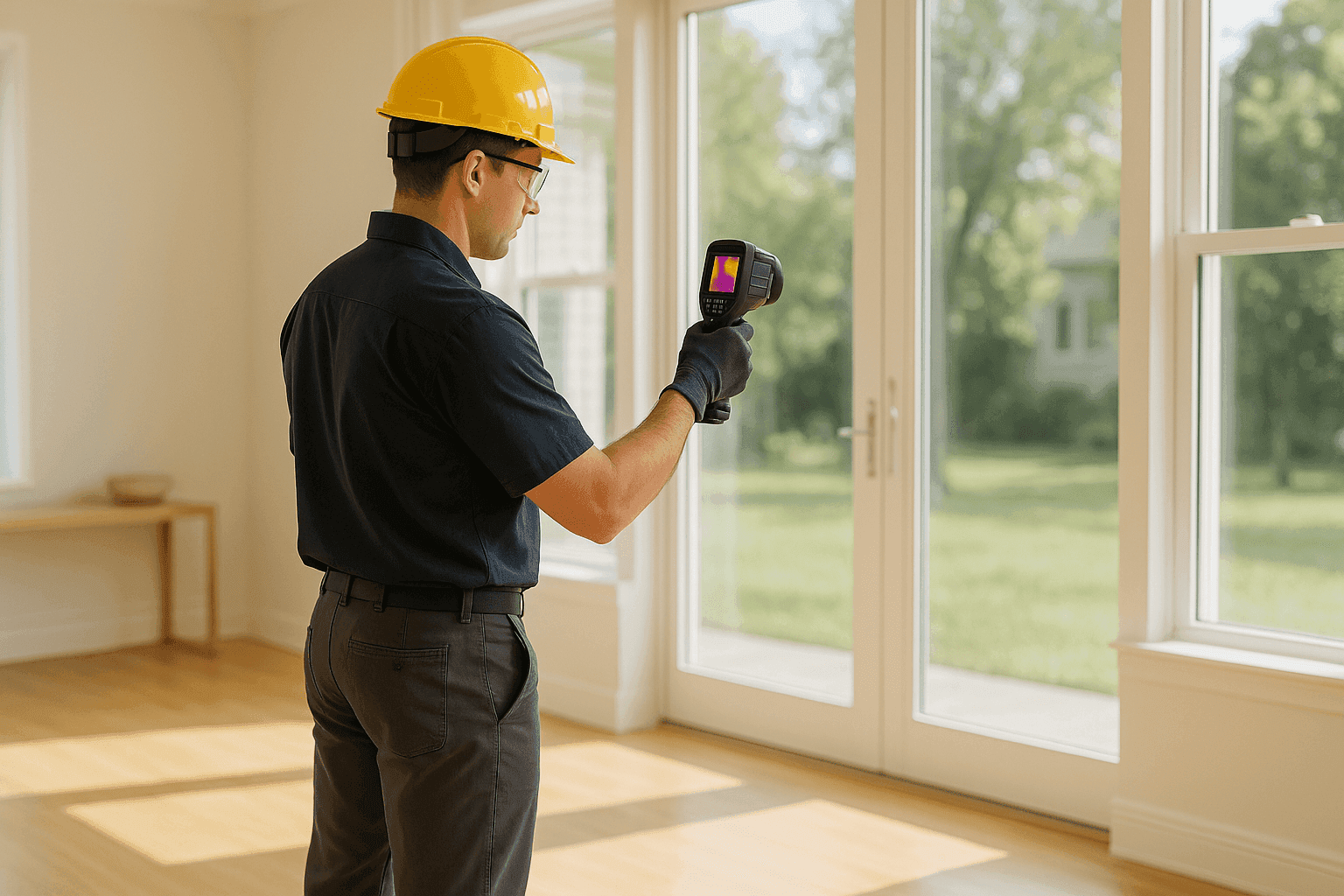
A home energy audit is like a checkup for your windows. Certified professionals use tools like infrared cameras and blower doors to:
- Identify hidden drafts or leaks
- Spot insulation gaps
- Recommend targeted improvements
- Prioritize upgrades for the biggest savings
According to the U.S. Department of Energy, even minor upgrades identified in an audit can cut utility bills by 5%–30%. That’s real money back in your pocket.
Real-World Savings: What Can You Expect?
Homeowners often ask, “Will new windows really pay off?” The answer depends on your starting point and choices.
- Typical Savings: ENERGY STAR estimates that replacing single-pane windows in an average home with ENERGY STAR–certified models can save $101–$583 a year on energy bills.
- Other Benefits: Improved comfort, less noise, reduced fading of fabrics and floors, and increased home value.
One Bee Clean Windows client swapped their 1970s aluminum windows for modern, double-pane vinyl. Their winter gas bills dropped by 20%. The whole house felt quieter. And the curb appeal? Night and day.
How to Assess Your Current Windows
Take a slow walk around your home. Are your windows:
- Hard to open or close?
- Drafty, foggy, or showing signs of moisture inside?
- Cold to the touch in winter or hot in summer?
- Lacking secure locks or up-to-date hardware?
If you answered yes to any of these, it’s time to consider an upgrade.
Planning Your Window Upgrade
Ready to move forward? Here’s how to get started:
- Set Priorities: Comfort, energy savings, safety, or all three?
- Research Options: Compare window types, frames, and features.
- Get a Professional Opinion: Schedule an energy audit or inspection.
- Budget for Quality: Factor in installation, materials, and potential rebates or incentives.
- Time It Right: Spring and fall are popular times for window upgrades.
Costs & Time Factors
Window upgrades are an investment. Here’s what to expect:
- Materials: Energy-efficient windows cost more upfront but deliver savings over time.
- Labor: Professional installation adds to the cost but protects your investment.
- Time: Most window replacements take a few hours per window, with whole-home projects spanning a couple of days.
Helpful tip: Ask about local, state, or utility rebates for energy-efficient upgrades. The U.S. Department of Energy and your local building department are good sources for incentives and code guidance.
When It’s an Emergency 🚨
Sometimes, window issues can't wait:
- Broken glass after a storm
- Security concerns from faulty locks
- Sudden drafts in extreme weather
Bee Clean Windows offers emergency services for urgent repairs and secure temporary fixes until a full replacement can be scheduled.
FAQ: Common Questions About Energy-Efficient Windows
Do I Need to Replace All My Windows at Once?
No. Prioritize the worst offenders first—especially those in the windiest or sunniest spots. Upgrades can be phased.
Will Energy-Efficient Windows Block Too Much Sunlight?
Not necessarily. Look for windows with a high visible transmittance (VT) rating to keep your rooms bright while filtering heat.
Are Window Films or Tinting Worth It?
Yes, for some homes. Window tinting can reduce glare and UV damage without the expense of full replacement—especially on south- or west-facing windows.
How Often Should I Inspect or Maintain My Windows?
At least once a year. Check weatherstripping, caulking, and locks. Clean glass and screens regularly to keep your windows looking and performing their best.
Local & Seasonal Considerations
Climate matters—a lot. In cold regions, focus on low U-factor and tightly sealed windows. If you live somewhere sunny, look for low SHGC ratings to block excess heat.
Seasonal changes also affect window performance. In spring and fall, check seals and caulking before extreme temperatures set in. For coastal or storm-prone areas, consider storm windows or impact-resistant glass.
Final Thoughts: Lasting Value for Your Home
Upgrading to energy-efficient windows is more than a home improvement—it's a lifestyle upgrade. You’ll enjoy comfort, savings, and peace of mind through every season.
If you're ready to take the next step, Bee Clean Windows is here to help. Our team brings decades of experience in residential window installation, repair, and efficiency upgrades. We’ll help you make choices that fit your home, your needs, and your budget.
Call Bee Clean Windows now — or reach us anytime at 877-727-4336 .