How to Storm-Proof Your Windows: Prevention, Upgrades, and Emergency Tips
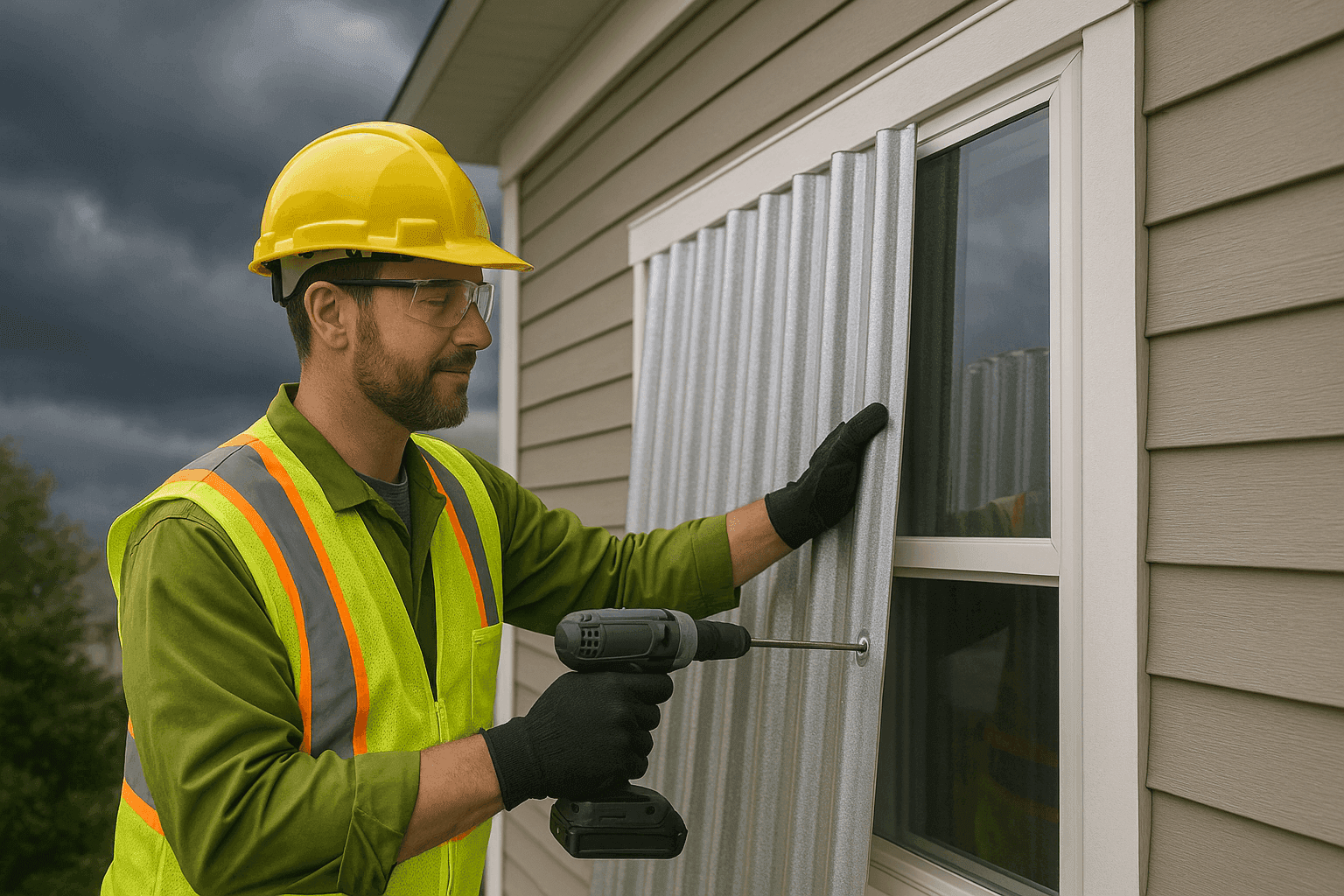
Storms don’t knock politely. Wind, hail, freezing rain—they come barreling in, sometimes with barely a warning. Your windows are your home’s eyes, but they’re also one of its softest targets. A single crack or loose seal can turn a rough night into a disaster.
At Bee Clean Windows, we’ve seen how fast weather can change—and how much damage it can do. Homeowners who plan ahead sleep easier, save money, and protect what matters most. Let’s break down exactly how to storm-proof your windows, from seasonal prep to smart upgrades and emergency fixes.
Why Storm-Proofing Your Windows Matters
A storm can turn a living room into a wind tunnel. Broken glass, water intrusion, and even mold can follow. Insurance might cover some costs, but not the stress or the time spent making repairs.
Window Installation near you isn’t just about looks. Upgraded windows shield your family from flying debris and pounding rain. They also lock in warmth when the temperature drops. The result? Less worry, fewer repairs, and more peace of mind.
Quick Safety Checklist: Are Your Windows Ready? 📝
Before the next storm hits, take a few minutes to spot-check your windows. Use this list as your starting line:
- Inspect all window frames for cracks, rot, or gaps.
- Check locks and latches—are they secure and easy to close?
- Press gently on each pane. Is anything loose or rattling?
- Look for cloudy glass or moisture between panes (a sign of bad seals).
- Test screens for holes or tears.
- Examine caulking and weatherstripping for wear or peeling.
- Note any windows that stick or won’t close fully.
If you spot problems, don’t wait. Small issues now can become big headaches in a storm.
Hurricane Prep: Window Checklist
- Remove outdoor decorations and furniture.
- Install storm shutters or temporary plywood panels.
- Double-check window lock engagement.
- Apply window film for extra shatter resistance.
Hail & Severe Thunderstorm Prep
- Close blinds or curtains to catch glass shards.
- Park vehicles away from windows, if possible.
- Secure all screens and check for loose hardware.
Winter Storm Prep
- Add fresh weatherstripping to block drafts.
- Inspect for frost buildup or condensation.
- Caulk exterior gaps before freezing temps hit.
DIY Fixes vs. When to Call a Pro
Some window fixes are quick weekend projects. Others need a specialist. Here’s how to decide:
DIY-Friendly:
- Replacing torn screens.
- Adding or replacing weatherstripping.
- Touching up caulk around frames.
- Tightening window hardware.
Call a Pro For:
- Cracked or broken glass.
- Bent, warped, or rotting frames.
- Problems with window operation (sticking, jamming).
- Upgrading to impact-resistant or energy-efficient windows.
- Installing storm windows or specialty locks.
Think of it like car maintenance. You can top up the oil, but you want a mechanic for the transmission.
What Pros Do When They Arrive
When you call Bee Clean Windows for help, expect a thorough process—not just a quick fix.
- Full Inspection: We check every window, frame, and lock for hidden damage.
- Safety Assessment: We spot vulnerabilities—loose panes, weak seals, or outdated locks.
- Expert Recommendations: Based on your home and local weather patterns, we suggest the best solutions. That could mean storm windows, impact-resistant glass, new caulking, or security upgrades.
- On-the-Spot Repairs: Many issues (like minor leaks or hardware problems) can be addressed right away.
- Clear Communication: We’ll show you what we found and explain what’s urgent—no jargon, just straight talk.
- Maintenance Planning: We can set you up with ongoing inspection and repair schedules, so you’re always ready for the next season.
Prevention & Maintenance: Stay Ahead of the Storm 🌦️
Storm-proofing isn’t a one-time project. Think of it like brushing your teeth: a little regular care keeps big problems away.
Annual Window Inspections
- Schedule a professional checkup every year, ideally before storm season.
- Address minor issues (like caulk cracks or sticky locks) right away.
Upgrade to Impact-Resistant Glass
- Laminated and tempered glass options are now standard in many areas.
- They won’t shatter like old panes—reducing injury risk and water damage.
Install Storm Windows
- Extra panes add an armor layer.
- Modern storm windows are energy-efficient, easy to use, and blend with your home’s look.
Weatherstripping and Caulking
- Old seals are like an open invitation for water and wind.
- Fresh caulk and weatherstripping make a world of difference, especially in older homes.
Window Security Solutions
- Add locks or security bars for high-risk locations or ground-floor windows.
- Consider alarms or sensors if security is a concern.
Window Maintenance Plans
- Sign up for regular service to keep everything in top shape.
- Preventative care is cheaper than emergency repairs.
Real-World Example
A client called last spring after a hailstorm. Their neighbor’s window shattered, but their own—recently upgraded to impact-resistant glass by Bee Clean Windows—escaped without a scratch. The difference? A proactive upgrade before storm season.
Costs & Time Factors: What to Expect
How much does storm-proofing windows cost? It depends—think of it like customizing a suit. The fit, fabric, and extras all change the price.
- Simple Repairs: Replacing weatherstripping or screens is fast and affordable—usually done in one visit.
- Upgrades & Replacements: Installing new impact-resistant windows or storm windows is more of an investment. Most projects take a day or two, depending on how many windows you have.
- Emergency Services: Board-ups or glass replacement during a storm can be pricier due to urgency and risk.
Remember: spending a little on prevention can save thousands in repairs, insurance deductibles, and hassle down the line.
When It’s an Emergency 🚨
Storms don’t wait for business hours. If a window breaks or leaks during a storm:
- Stay clear of broken glass.
- If safe, tape cracks to prevent shattering.
- Use plywood or heavy plastic as temporary covers.
- Call for emergency window services right away.
- Document damage with photos for insurance.
Quick action limits water intrusion, mold, and risk of injury.
FAQ: Common Questions About Storm-Proofing Windows
Q: What’s the best type of window for storm protection?
A: Impact-resistant windows with laminated or tempered glass are a strong choice. Storm windows add extra protection and are often required in high-risk zones.
Q: Can I storm-proof older windows, or do I need new ones?
A: Many older windows can be upgraded with storm panels, better locks, or fresh caulking. But if there’s significant rot or damage, replacement is the safer bet.
Q: Will adding storm windows help with energy bills?
A: Yes. Storm windows add insulation, reduce drafts, and help keep your heating and cooling costs down.
Q: How often should I have my windows inspected?
A: Once a year, and after any major storm.
Local & Seasonal Considerations
Not all storms are created equal. In coastal areas, hurricanes are the headline threat. Inland, hail and ice can do real damage. Know your weather risks and plan accordingly:
- In hurricane-prone regions, local building codes may require impact-resistant glass or storm shutters.
- For areas with frequent hail, opt for windows with higher impact ratings (consult guidelines from the American Architectural Manufacturers Association).
- Freezing winters? Focus on airtight seals, insulated glass, and regular caulking.
Every home is different, and so is every storm. The right window solutions depend on your location, house style, and how you use your space.
Ready to storm-proof your windows and protect your home? Call Bee Clean Windows now — or reach us anytime at 877-727-4336 .