Window Replacement Cost Guide: What Homeowners Should Expect
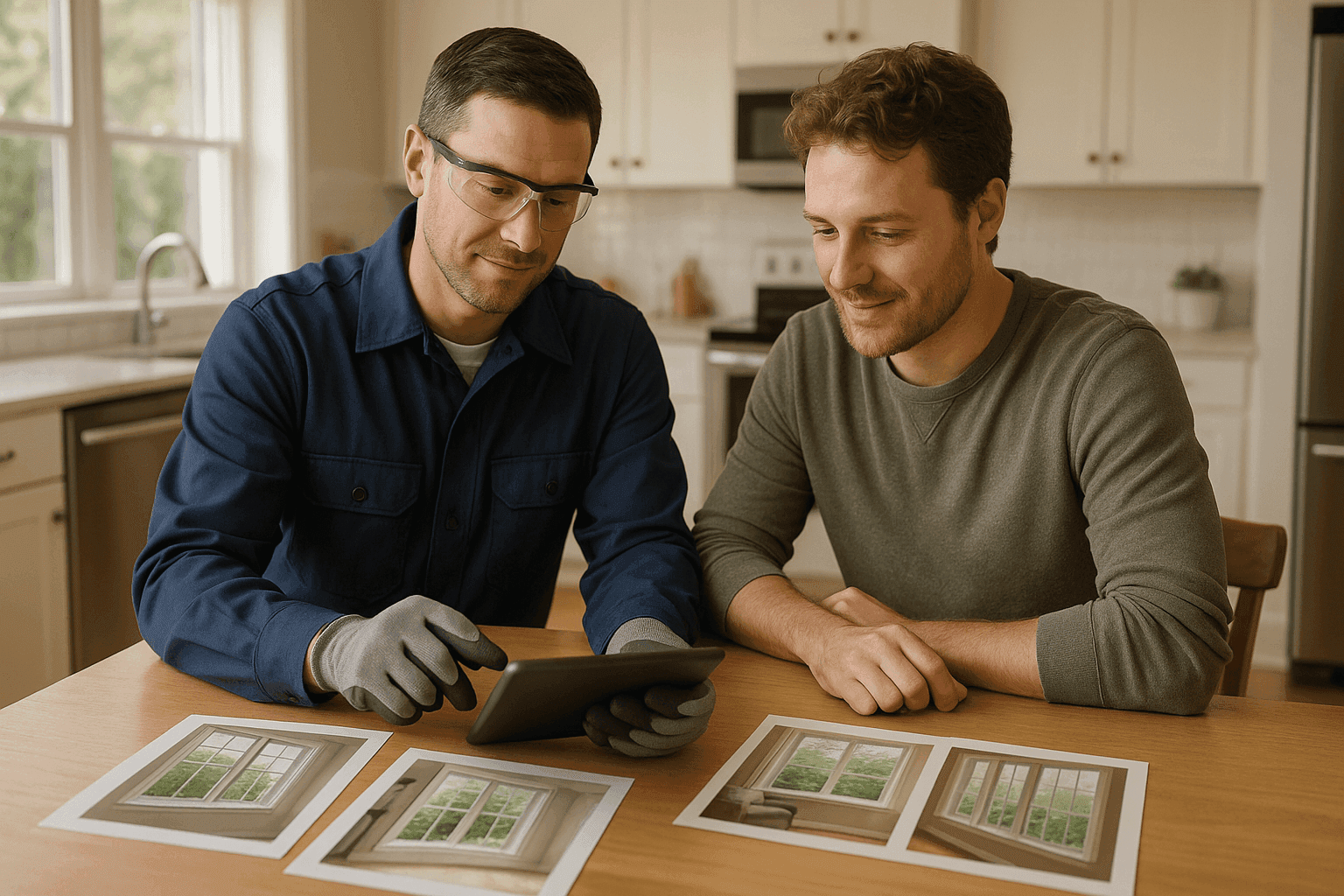
Are your windows drafty, foggy, or hard to open? You’re not alone. So many homeowners put off window replacement, worried about the price tag, the time, or the mess. But letting old windows linger can cost you more in comfort, safety, and energy bills.
At Bee Clean Windows, we know replacing windows is a big decision. This guide breaks down what impacts the true cost, how to avoid surprises, and how to get the best value—without stress.
What Drives the Cost of Window Replacement? 🪟
Window replacement isn’t a one-size-fits-all project. Each home—and each window—brings its own story. Here’s what shapes the final bill:
- Type of Window: Double-hung, casement, bay, awning, and specialty windows all come with different price ranges. Bay and bow windows, for example, are like adding a mini architectural accent—not just glass panes.
- Materials: Think of vinyl, wood, fiberglass, aluminum, or composite as the “frame” for your investment. Each has a different price point and maintenance need.
- Glass Options: Single-pane? Double-pane? Triple-pane? Energy-efficient coatings? The glass makes a big difference in both upfront cost and future savings.
- Labor: Not all installations are created equal. Some windows slip right in; others need extra work, especially if there’s wood rot, custom sizing, or tricky access.
- Size & Quantity: Replacing one window is different than tackling the whole house. Larger windows (like picture or bay styles) naturally cost more.
- Upgrades & Accessories: Security locks, tinting, weatherstripping, caulking, screens, or energy audits add more value—and sometimes more cost.
No two homes are the same. That’s why window replacement costs can range widely, from a few hundred to several thousand dollars per window.
Quick Safety Checklist for Window Replacement
Before any project starts, safety comes first. Make sure you or your installer:
- Wear protective gloves and eye gear (broken glass hides in old frames)
- Confirm ladder stability for upper-floor windows
- Keep kids and pets away from the work area
- Check for lead paint if your home was built before 1978 (EPA guidelines apply)
- Turn off security alarms connected to windows
Safety isn’t just about accidents. It’s also about securing your home during and after installation.
DIY vs. Call a Pro: What Makes Sense?
Some homeowners are tempted to take a DIY approach. Swapping out a window can look easy on video. But in reality, it’s a bit like trying to fit a square peg in a round hole—precision matters.
DIY might work if:
- You’re replacing a simple, standard-size window in good framing.
- You have solid carpentry skills and proper tools.
Calling a professional is best when:
- Windows are large, heavy, or high up.
- You need custom fitting or structural repair.
- You want a warranty on labor and materials.
- Safety or code compliance is a concern (like egress windows for basements).
The right pro brings both know-how and peace of mind.
What Pros Do When They Arrive
When you schedule “Window Installation near you,” here’s what typically happens:
- Assessment: The installer measures each opening, checks for damage, and reviews your choices.
- Prep Work: Old windows are carefully removed. Frames are inspected for rot, mold, or pest damage.
- Installation: New windows are installed, leveled, and secured. Gaps are sealed with caulk or weatherstripping.
- Finishing Touches: Hardware, locks, and screens are added. The workspace is cleaned up.
- Walk-Through: You get a chance to check the work, ask questions, and see how everything operates.
No hidden steps, no shortcuts—just a clear process.
Prevention & Maintenance: Protecting Your Investment
New windows are an investment that pays off over time—but they still need TLC.
- Regular Cleaning: Keeps hardware working and frames looking sharp.
- Annual Inspections: Check for caulking cracks, foggy glass, or stuck locks.
- Weather Preparation: Before winter or storm season, inspect seals and close any gaps.
- Prompt Repairs: Address small chips, cracks, or hardware issues before they turn into bigger problems.
A little maintenance goes a long way toward avoiding future replacements.
Costs & Time Factors: What to Expect
Let’s get to the question everyone asks: How much does window replacement really cost?
Ranges by Window Type:
- Double-Hung & Casement: Often the most budget-friendly, especially in standard sizes.
- Bay, Bow, & Specialty: Expect a higher price for custom builds or larger openings.
- Skylights & Egress: Labor and materials cost more due to complexity and code requirements.
Materials Matter:
- Vinyl: Least expensive, low maintenance.
- Wood: Classic look, requires upkeep.
- Fiberglass/Composite: Durable, energy-efficient, usually higher upfront cost.
Labor & Installation:
- Simple swaps are faster and cheaper. If there’s water damage, rot, or special framing needed, labor costs rise.
- Most single-window replacements take a few hours; whole-home jobs usually finish in 1–3 days.
Other Factors:
- Disposal fees for old windows
- Permits (especially for structural changes or egress windows)
- Upgrades (locks, tint, screens)
Important: Always ask what’s included in your quote. Some prices cover only the window, not the install or finishing touches.
Comparing Quotes: What’s Included?
Not all quotes are apples to apples. Here’s what to look for:
- Product Details: Brand, model, glass type, energy ratings
- Labor: Removal, prep, install, cleanup
- Disposal: Will they take away old windows?
- Permits: Who handles the paperwork?
- Warranties: What’s covered, and for how long?
- Timeline: When does work start and finish?
Ask for a written breakdown. If something’s unclear—ask. Reputable pros want you to understand every line item.
How Energy Savings Offset Window Costs
Energy-efficient windows do more than keep your home comfortable. They can cut heating and cooling bills by 10–25%, according to the U.S. Department of Energy. Over time, those savings help offset the upfront price.
Look for features like:
- Double or triple glazing
- Low-E coatings
- Gas fills (like argon or krypton)
- Insulated frames
The right choice depends on your climate, home design, and budget. Sometimes, spending a little more now pays back every month on your utility bill.
When It’s an Emergency: What to Do
Storm damage, break-ins, or shattered glass? Sometimes window replacement can’t wait.
- Secure the Area: Board up broken openings if you can do so safely.
- Contact an Emergency Service: Some window companies (like Bee Clean Windows) offer rapid response.
- Document the Damage: Take photos for insurance.
Fast action keeps your home safe and minimizes further damage from weather or pests.
FAQ: Window Replacement Questions
How do I know if my windows really need replacing?
Look for drafts, condensation between panes, rotting frames, or windows that stick or won’t lock. If your energy bills are rising or rooms feel drafty, it’s time to consider an upgrade.
Can I replace just one or two windows, or do I need to do the whole house?
You can replace windows one at a time. Many homeowners start with the worst ones first, then phase in more replacements as budget allows.
Are permits always required?
Permits are needed when making structural changes, installing egress windows, or working in certain historic districts. Always ask your installer to clarify local code requirements.
Do new windows really add to home value?
Yes. According to Remodeling Magazine’s annual Cost vs. Value report, window replacement projects typically recoup around 70% of their cost at resale.
Local & Seasonal Considerations
Weather and local building codes play a big role in window projects.
- Cold climates: Energy-efficient, double- or triple-pane glass is a must.
- Storm-prone areas: Impact-resistant windows or storm windows offer extra protection.
- Historic homes: There may be rules about what styles or materials you can use.
- Seasonal timing: Spring and fall are popular for installation—milder weather, less risk of delays.
Your installer should always check local codes and help you choose windows that fit your region’s needs.
Upgrading your windows is a big step, but it doesn’t have to be overwhelming. Whether you’re looking for window installation near you, energy savings, or just peace of mind, Bee Clean Windows is here to help you plan a smart, stress-free upgrade—no surprises.
Call Bee Clean Windows now — or reach us anytime at 877-727-4336 .