How to Choose the Best Replacement Windows for Your Home
Replacing your home’s windows isn’t like changing a lightbulb. It’s more like choosing the right shoes for a marathon—get it wrong, and every step after feels off. At Bee Clean Windows, we know the difference great windows make. They’re not just glass and frames; they’re your connection to comfort, safety, and energy savings.
If you’re feeling overwhelmed by choices, you’re not alone. Let’s walk through what matters most, so you can feel confident about your window installation near you.
Understanding Window Types
Windows come in more styles than ice cream flavors. Each one suits different tastes—and homes.
- Casement Windows: Hinged on the side, they swing open like a door. They seal tightly, making them energy efficient. Perfect for contemporary homes and hard-to-reach spots.
- Double-Hung Windows: Both sashes move up and down, ideal for classic home styles and rooms needing airflow. Easy to clean, but may leak more air than casements if not installed precisely.
- Bay & Bow Windows: These project outward, adding space and bringing in lots of natural light. Great for living rooms that crave a view, but require expert installation.
- Sliding Windows: Move side-to-side, like a subway door. They’re easy to use and ideal for wide openings, but the seal may wear over time.
- Awning Windows: Hinged at the top, open outward. They keep out rain while letting in air—handy for bathrooms or basements.
- Jalousie Windows: Slatted glass panels that pivot open, often found in sunrooms or mid-century homes. They offer maximum ventilation, but are less energy efficient.
- Picture Windows: Fixed panes that don’t open, designed for letting in light and views. Zero drafts, but no airflow.
- Hopper Windows: Tilt inward from the bottom, perfect for basements and tight spaces.
- Skylights: Installed in the ceiling for extra daylight. They need careful waterproofing.
Every window type has its pros and cons. Think about your home’s style, your need for ventilation, and how much natural light you want.
Key Factors: Energy Efficiency, Materials & Durability 🛠️
Not all windows are built the same. The materials matter as much as the style.
- Vinyl: Affordable, low-maintenance, and never needs painting. Good insulation but can warp under extreme heat.
- Wood: Classic and beautiful, with great insulation. Needs regular care to prevent rot or insect damage.
- Aluminum: Sleek, strong, and ideal for modern homes. Less insulation value unless it has a thermal break.
- Composite: Blends wood and synthetic materials for the best of both worlds—durability, low maintenance, and solid energy performance.
Energy-efficient windows usually feature double or triple glazing, low-E coatings, and insulated frames. Look for labels like ENERGY STAR®, which meets strict U.S. Environmental Protection Agency criteria.
Durability depends on quality and climate. Vinyl and composite options are popular for their combination of lifespan and low upkeep. Wood, though charming, may need more TLC in wet or humid regions.
How to Evaluate Window Performance
Window performance isn’t just sales talk. It’s measured by numbers—and these matter to your comfort and wallet.
- U-Factor: Measures heat flow. Lower numbers mean better insulation. Most residential windows range from 0.20 to 1.20.
- Solar Heat Gain Coefficient (SHGC): Shows how much solar radiation passes through. Lower SHGC blocks more heat—good for sunny climates.
- Visible Transmittance (VT): How much light comes through. Higher values mean brighter rooms, but sometimes more glare.
- Air Leakage: Lower numbers mean less draft. Check for windows tested to American Society for Testing and Materials (ASTM) standards.
Look for the National Fenestration Rating Council (NFRC) label. It guarantees you’re comparing apples to apples, not apples to oranges.
When to Replace: Signs Your Windows Need an Upgrade 🔍
How do you know it’s time? Listen to your windows—they’ll tell you.
- Drafts: Feel a breeze even when closed? Energy is slipping away.
- Condensation: Fog or ice between glass panes means seal failure.
- Difficult Operation: Sticking, jamming, or refusing to stay open? Hardware is likely worn out.
- Visible Damage: Rotting frames, cracked glass, or peeling caulk signal trouble.
- Rising Energy Bills: Old, leaky windows force your HVAC to work overtime.
If you spot these issues, replacement isn’t just a luxury—it’s a smart investment.
Installation Best Practices & What to Expect
Proper installation is the cornerstone of window performance. Even the best window can fail if installed poorly.
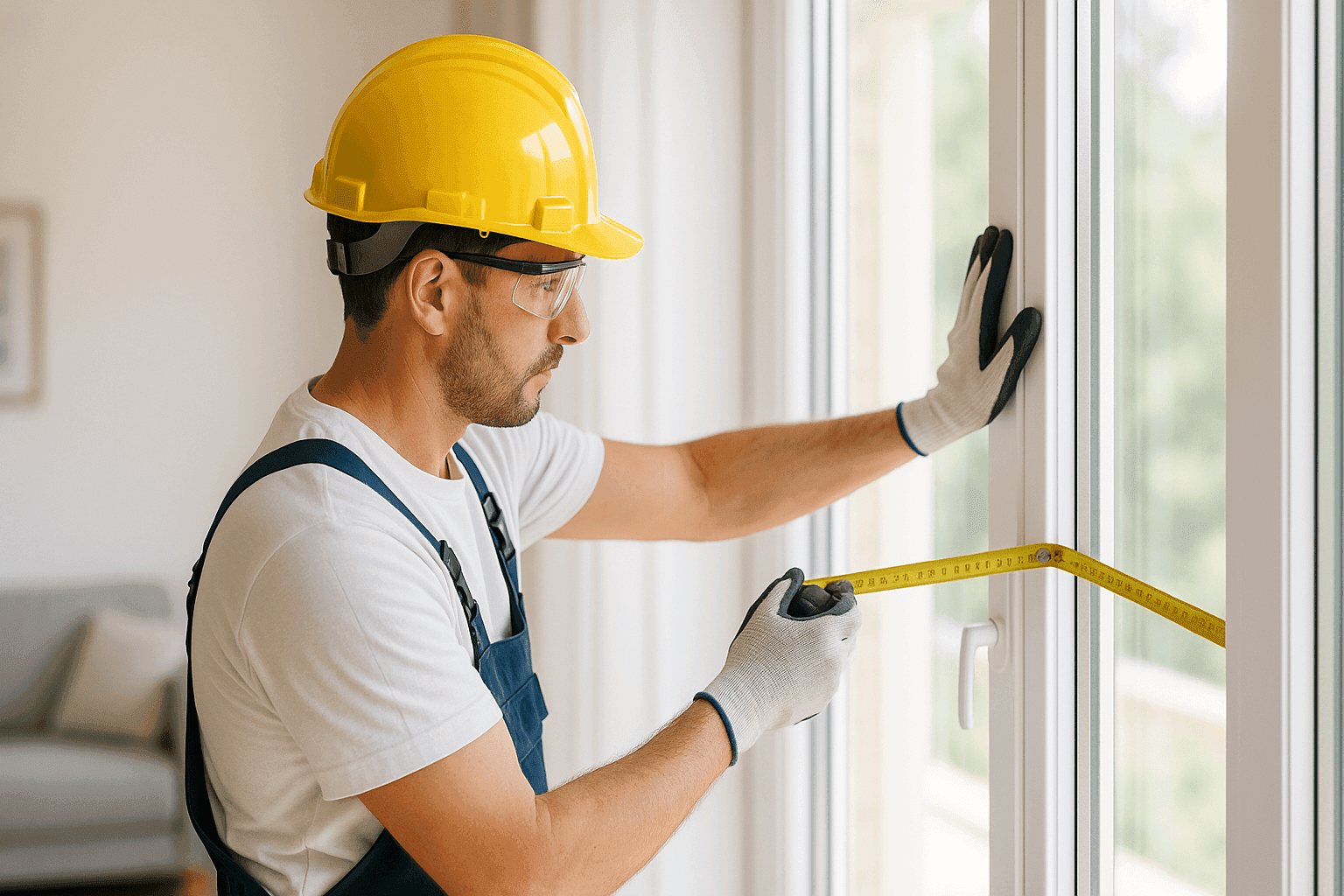
- Measurement: Pros measure each opening precisely—no two are ever identical, even if they look it.
- Preparation: Old windows are carefully removed to avoid damaging interior walls or exterior siding.
- Weatherproofing: Flashing, caulking, and sealing are applied to keep out wind and water.
- Fitting: The new window is leveled, anchored, and checked for smooth operation.
- Cleanup: A tidy site means you get to enjoy your new view right away.
A quality install follows local building codes and manufacturer guidelines. The American Architectural Manufacturers Association (AAMA) and local codes provide the gold standard here.
Questions to Ask Your Installer
Before you commit, ask these questions:
- Are you licensed and insured for window installation near you?
- What materials and brands do you recommend, and why?
- How will you ensure a weather-tight fit for my home?
- What’s included in your quote—disposal, trim, or repairs?
- How do you handle unexpected issues, like hidden rot or structural surprises?
- Will my new windows maintain their manufacturer warranty with your installation?
- Can I see references or photos of past work?
Don’t hesitate to ask for credentials. A reputable installer welcomes transparency.
Practical Tips for Planning Your Replacement Project
- Prioritize rooms: Start with windows in the worst condition or those affecting energy costs the most.
- Schedule smart: Spring and fall are ideal—mild weather makes installation smoother.
- Budget for surprises: Sometimes, hidden damage is uncovered once old frames come out.
- Consider maintenance: Choose frames and finishes that match your willingness to maintain them.
- Think ahead: Energy-efficient windows may qualify for local incentives or rebates—ask your installer or check with ENERGY STAR®.
Citing Authoritative Resources
For more on window ratings and energy codes, see information from the U.S. Department of Energy and the National Fenestration Rating Council. Local building departments can guide you on permits and safety codes for window installation near you.
Call to Action
Ready for a clearer, cozier, and more efficient home? Call Bee Clean Windows now — or reach us anytime at 877-727-4336 .