When to Call a Window Professional: Signs, Safety, and What to Ask
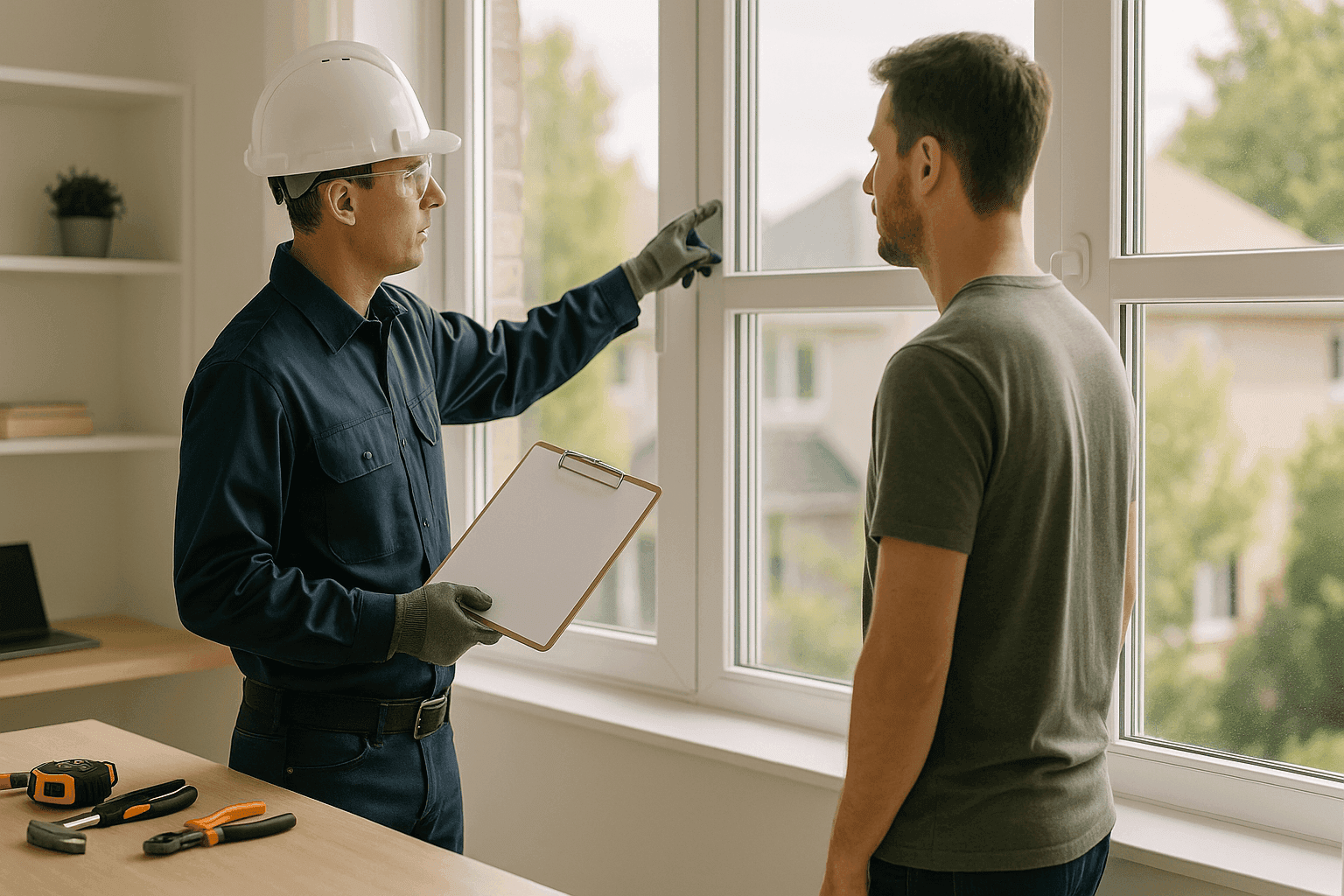
Windows do more than frame your view—they keep your home safe, comfortable, and energy-efficient. But like any part of your house, they don’t last forever. Cracks, leaks, or even a stubborn latch might seem small, but left unchecked, they can snowball into bigger headaches.
At Bee Clean Windows, we’ve seen it all—from storm-battered panes to aging frames that just won’t seal. We know how tough it is to decide if you can handle a fix or if it’s time to call in a pro. This guide will help you spot the signs, stay safe, and ask the right questions so you’ll never feel lost when it’s time to care for your windows.
Spotting Trouble: Red Flags That Mean It's Time to Call a Pro 🚩
Some window problems are like a leaky faucet—annoying but manageable. Others? They’re more like a burst pipe, demanding quick action. Here’s what to look for:
- Broken or Cracked Glass: Even small cracks weaken the whole window, and they can grow fast after a storm or cold snap.
- Frames or Sills with Rot or Warping: Wood that’s soft to the touch, peeling paint, or warped vinyl isn’t just ugly—it can mean water or pest damage.
- Persistent Leaks or Condensation: Water pooling on your sills, or fog between double panes, often means seals have failed.
- Difficulty Opening, Closing, or Locking Windows: Safety first—windows that stick or won’t lock leave your home vulnerable.
- Drafts or Sudden Spikes in Energy Bills: If your heating or cooling costs jump, air leaks around windows might be to blame.
- Obvious Security Concerns: Missing locks, broken screens, or flimsy glass invite break-ins.
- Clouded, Discolored, or Noisy Windows: Trapped moisture or rattling frames could signal deeper problems.
If you spot one or more of these, don’t wait. The sooner you act, the more options you’ll have—and the less you’ll spend in the long run.
Quick Safety Checklist Before You Touch That Window
Windows are heavier and more complex than they look. Before you attempt a fix, run through this:
- Are there any sharp edges, broken glass, or exposed nails?
- Is the area around the window safe to access (no loose ladders, wet floors, or electrical wires)?
- Do you have the right tools (gloves, eye protection, etc.)?
- Is the window on a second story or higher? Falls are a leading cause of home injuries—never risk it.
- Are kids or pets nearby? Keep them clear of the work zone.
If any answer here makes you uneasy, call a professional. It’s not just about skill—it’s about safety. The National Safety Council reports thousands of window-related injuries every year, many preventable with the right precautions.
DIY or Call a Pro? The Line in the Sand
A squeaky hinge or a missing screen? If you’re handy with a screwdriver, those are fair game.
But for anything involving structural repairs, glass replacement, security upgrades, or leak fixes—let a professional handle it. Here’s why:
- Glass is tricky—removing and replacing it can cause injury or more damage if done wrong.
- Modern windows are part of your home’s envelope—messing with seals can impact insulation, energy performance, and even void warranties.
- Building codes (such as those from the International Residential Code) often require licensed contractors for window replacements, especially for egress windows or structural changes.
- Safety upgrades and locks need to meet insurance or local regulations.
If your project involves more than cleaning, caulking, or tightening a screw, it’s time to search for "Window Installation near you" and call an experienced technician.
What to Ask Before Hiring a Window Professional
Choosing a window contractor is like picking someone to watch your houseplants while you’re away—you want someone careful, trustworthy, and experienced. Here’s a checklist to guide you:
- Are you licensed and insured? Ask for proof.
- How long have you been in business? Experience matters.
- What brands or materials do you work with?
- Can you provide references or photos of past jobs?
- What’s included in your estimate? (Materials, labor, cleanup, etc.)
- Will you handle permits if needed?
- What’s your process if hidden damage is found?
- Do you follow local building codes and safety standards?
- How do you handle unexpected weather delays?
A reputable pro will welcome your questions. Their answers should be clear, not rushed. If something feels off, keep looking.
What to Expect During a Window Installation or Repair Visit
The first visit usually starts with an inspection. The technician will:
- Assess the condition of your windows, frames, and surrounding walls.
- Take measurements and note any unique challenges (like high windows or custom shapes).
- Explain your options—repair, replacement, upgrade, or maintenance.
- Provide a written estimate and timeline.
On installation or repair day, expect:
- Protective covers on floors and furniture.
- Removal of old materials (glass, frames, hardware).
- Careful installation following manufacturer specs and building codes.
- Thorough cleanup—no glass shards or debris left behind.
- Walk-through with you to confirm everything’s working and answer your questions.
It’s normal to feel a bit nervous letting someone work on your home. Clear communication and visible professionalism are good signs you’re in capable hands.
Prevention & Maintenance: The Window Wellness Plan 🛠️
Like brushing your teeth, a little care goes a long way with windows. Here’s how to help them last:
- Inspect seasonally: Look for cracks, leaks, or soft spots after heavy rain or snow.
- Clean tracks and sills: Dirt and debris can keep windows from sealing or sliding smoothly.
- Lubricate hardware: Hinges, locks, and latches work better with a drop of oil.
- Replace worn weatherstripping: Stops drafts in their tracks.
- Check caulking: Gaps around frames invite water and pests.
- Schedule an annual professional inspection: A fresh set of eyes can catch problems early.
Following these steps not only keeps your home comfortable—it helps prevent those costly emergency calls.
Costs & Time Factors: What to Expect
Window projects vary widely, but here’s what affects the price and schedule:
- Type of window: Simple repairs (like replacing locks or screens) cost far less than new skylights or bay windows.
- Extent of damage: Fixing rot or leaks might require carpentry or masonry work.
- Materials: Energy-efficient or custom glass raises the price.
- Accessibility: Second-story or hard-to-reach windows need special equipment.
- Permits and inspections: Required for major replacements or egress windows.
- Season: Demand spikes after storms or during remodeling booms—scheduling may take longer.
Most small repairs take a couple of hours. Full window installations or replacements can run a day or more, especially for custom solutions.
When It’s an Emergency: Don’t Wait
Some situations demand immediate attention. Call for emergency window services if:
- There’s shattered glass creating a safety hazard.
- A window won’t close or lock, risking a break-in.
- Water is pouring in during a storm.
- The window is critical for fire escape (egress) and can’t open.
Keep in mind, emergency calls may cost more, but so does waiting and risking further damage or injury.
FAQ: Homeowners’ Most Common Window Questions
How long do windows typically last?
Most windows last 15–30 years, depending on materials and maintenance. If you’re seeing drafts or condensation, it might be time for an upgrade.
Will new windows really save energy?
Yes! Energy-efficient windows can reduce drafts and lower heating/cooling bills. Look for ENERGY STAR® ratings and proper installation to maximize benefits.
Can I replace just the glass, or do I need a whole new window?
Often, just the glass or sash can be swapped out. But if the frame is damaged or outdated, full replacement might make more sense.
Is it safe to DIY window repairs?
Minor upkeep—sure. But for anything involving glass, structure, or security, a professional is your safest bet.
Local & Seasonal Considerations: Timing Matters 🕰️
Certain times of year put extra stress on your windows. Before storm season, have your windows checked for leaks or loose panes. Before the holidays, make sure locks and security features are working—especially if you’ll be away.
Spring and fall are ideal for upgrades, since moderate weather makes installation easier. And after big weather events—like hail or hurricanes—even small chips or cracks should be inspected right away.
The Takeaway: Choose Confidence, Choose Safety
When it comes to windows, a little vigilance pays off. Know your limits, recognize the warning signs, and don’t hesitate to bring in a professional when needed. Bee Clean Windows is here to help—whether it’s a simple repair, a full window installation near you, or just a second opinion.
Call Bee Clean Windows now — or reach us anytime at 877-727-4336 .